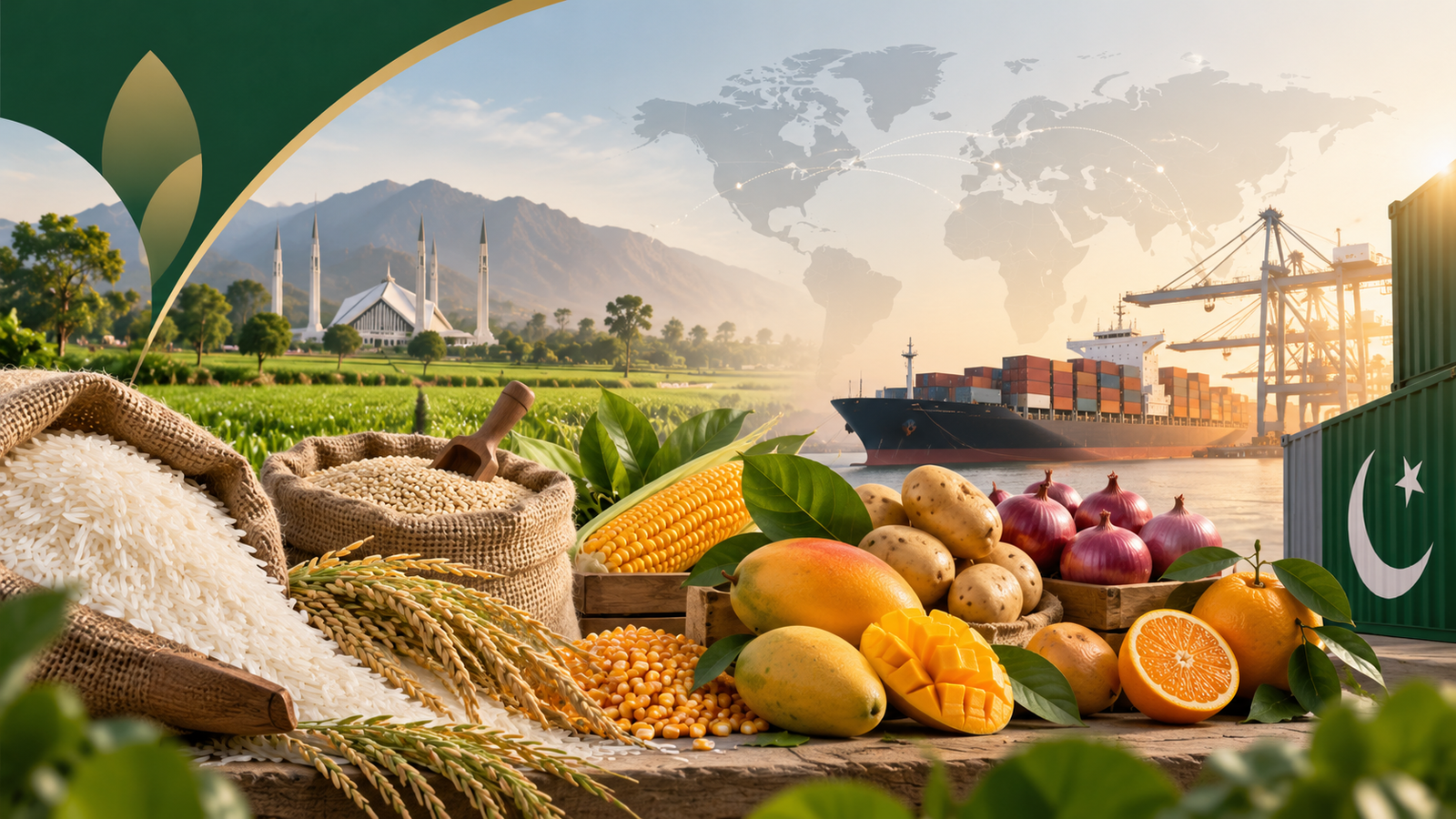
Pakistan has long been known as an agricultural country, but its role in global food trade is becoming increasingly important. From rice and sesame seeds to fruits, vegetables, maize, and other food products, Pakistan supplies a wide range of agricultural products to international markets.
Agriculture remains a major part of Pakistan’s economy. It supports millions of people across farming, processing, storage, transport, trading, and related industries. Pakistan’s location also gives exporters access to important markets across the Middle East, Asia, Africa, and other regions.
For international buyers, however, Pakistan’s value is not based on production volume alone. The country offers different crop varieties, established farming regions, a large agricultural supply base, and growing export capabilities.
Understanding the leading agricultural products exported from Pakistan can help importers, distributors, food processors, wholesalers, and other buyers identify sourcing opportunities in the country.
- Why Is Pakistan Important for Agricultural Exports?
- 1. Rice
- 2. Sesame Seeds
- 3. Maize and Corn
- 4. Mangoes
- 5. Citrus and Kinnow
- 6. Potatoes
- 7. Onions
- 8. Other Fruits and Vegetables
- 9. Oilseeds, Nuts and Related Products
- 10. Spices and Other Food Ingredients
- Which Agricultural Product Is Pakistan’s Biggest Export?
- Where Does Pakistan Export Agricultural Products?
- What Should International Buyers Check When Sourcing From Pakistan?
- The Future of Pakistan’s Agricultural Exports
- Iqbal Group: Connecting Pakistan’s Agriculture With Global Markets
- FAQs
Why Is Pakistan Important for Agricultural Exports?
Pakistan has different climate zones, fertile agricultural regions, major river systems, and a long history of farming. These conditions allow the country to produce a wide range of crops throughout the year.
The country produces major crops such as wheat, rice, sugarcane, maize, and cotton, alongside fruits, vegetables, oilseeds, and other agricultural commodities.
Pakistan also has an established food export industry. Official trade data regularly records exports across rice, fruits, vegetables, spices, oilseeds, nuts and kernels, meat, and several other food categories.
For global buyers, this creates opportunities to source both traditional agricultural commodities and products that can move through cleaning, grading, processing, packaging, and other forms of value addition.
1. Rice
Rice is one of Pakistan’s most important agricultural products and one of the country’s best-known food exports.
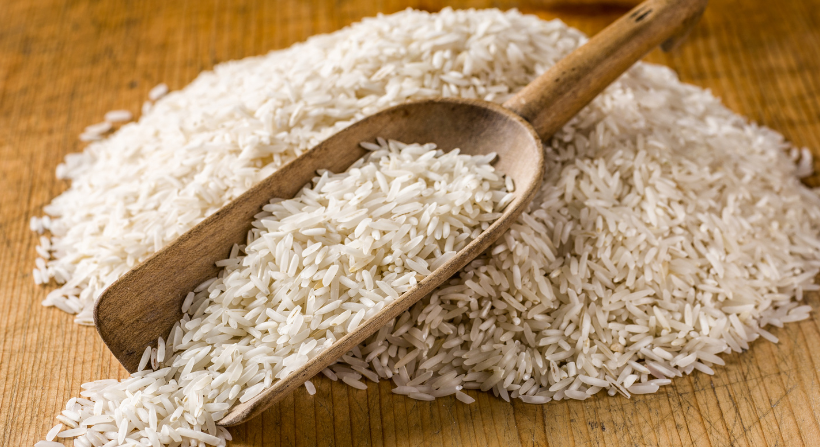
Pakistan produces both Basmati and non-Basmati rice, giving international buyers options for different markets, price points, cuisines, and consumer preferences.
Basmati Rice
Pakistan is well known for aromatic Basmati rice. Its fragrance, long grains, and cooking qualities make it attractive for households, restaurants, foodservice businesses, retailers, and distributors.
Common commercial varieties include Super Basmati, 1121 Basmati, and 1509 Basmati.
These products can serve premium and mainstream rice markets depending on variety, processing, grain specifications, and buyer requirements.
Non-Basmati Rice
Pakistan also exports non-Basmati varieties, including IRRI types. These can be important for buyers seeking rice for large-scale distribution, wholesale markets, foodservice, and price-sensitive consumer segments.
Rice remains the strongest example of Pakistan’s ability to compete in international agricultural trade. Its established production and export ecosystem also provides valuable experience that can support the development of other agricultural exports.
2. Sesame Seeds
Sesame seeds have become an increasingly important part of Pakistan’s agricultural export portfolio.
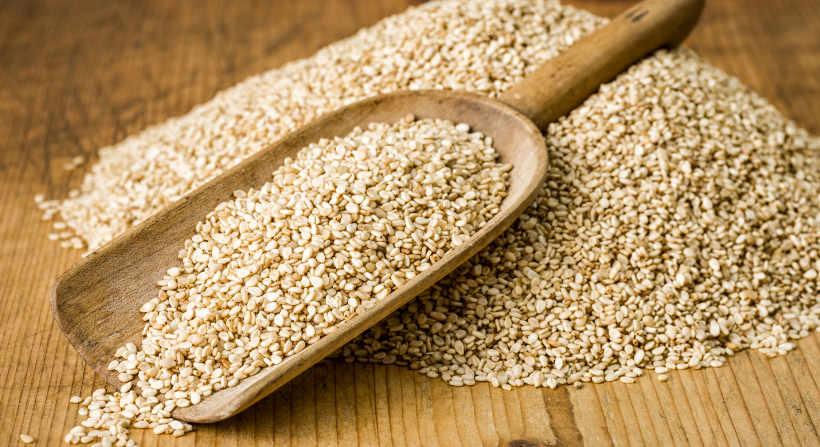
International buyers use sesame across bakery products, tahini, confectionery, oils, snacks, sauces, and many other food applications.
Pakistan can supply sesame in different forms depending on processing capabilities and buyer requirements. These may include natural sesame, machine-cleaned sesame, colour-sorted sesame, hulled sesame, and roasted sesame.
Why Buyers Source Sesame From Pakistan
Pakistan has suitable growing conditions for sesame and an established trading network connecting farms with processors and exporters.
For international buyers, quality control is particularly important. Sesame shipments may need to meet requirements covering purity, moisture, pesticide residues, microbiological safety, foreign matter, and other specifications depending on the destination market.
This means professional cleaning, sorting, testing, documentation, and traceability can be just as important as the crop itself.
As global food manufacturers continue to use sesame in a wide range of products, Pakistan has an opportunity to build stronger long-term relationships with international buyers.
3. Maize and Corn
Maize is another important crop within Pakistan’s agricultural sector.
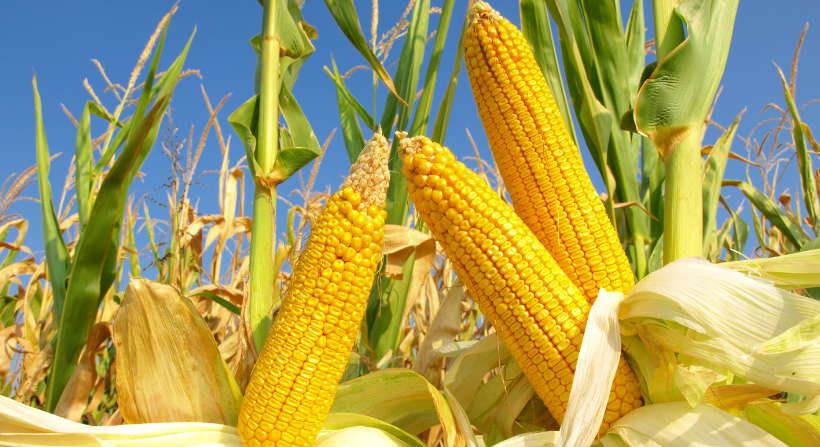
It has several commercial uses and can serve food, feed, starch, and industrial value chains. This gives maize a different export profile from products aimed mainly at direct consumer markets.
For international buyers, sourcing decisions can depend on moisture levels, grain quality, contamination controls, storage practices, specifications, and intended use.
Pakistan’s established farming base gives the country the ability to participate in this market, although international competitiveness depends on crop availability, domestic demand, global prices, freight costs, and buyer requirements.
Maize for Feed Markets
Maize plays an important role in animal and poultry feed. This creates potential opportunities in markets with large livestock and poultry industries.
Exporters serving these buyers need to provide clear product specifications and maintain proper handling and storage systems. Feed buyers often purchase at scale, making supply consistency an important part of the commercial relationship.
Quick link: Why Pakistan Is Becoming a Global Poultry Export Hub
4. Mangoes
Pakistan is internationally recognised for its mangoes.
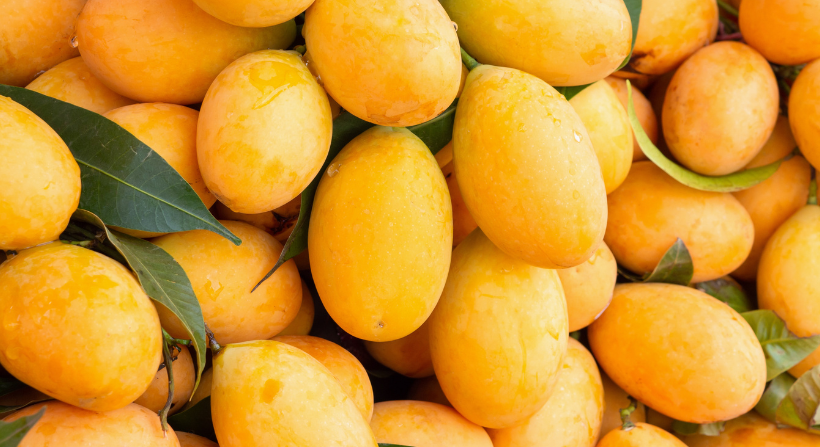
The country produces several varieties, with Sindhri and Chaunsa among the best known. Pakistani mangoes are valued for their taste, aroma, sweetness, and texture.
Fresh mango exports can serve wholesalers, supermarkets, ethnic food retailers, distributors, hospitality businesses, and specialist fruit importers.
Exporting Fresh Mangoes Requires Strong Handling
Fresh fruit exports are more complex than simply growing a good product.
Mangoes need careful harvesting, grading, treatment, packing, storage, and transportation. Import rules can also vary significantly between markets.
Cold-chain management is especially important because fresh produce has a limited shelf life. Poor handling at any stage can affect quality by the time the product reaches the customer.
Pakistan’s future opportunity therefore includes not only increasing mango exports but also improving post-harvest systems and expanding value-added mango products.
5. Citrus and Kinnow
Pakistan is also an important producer of citrus fruits, particularly kinnow.
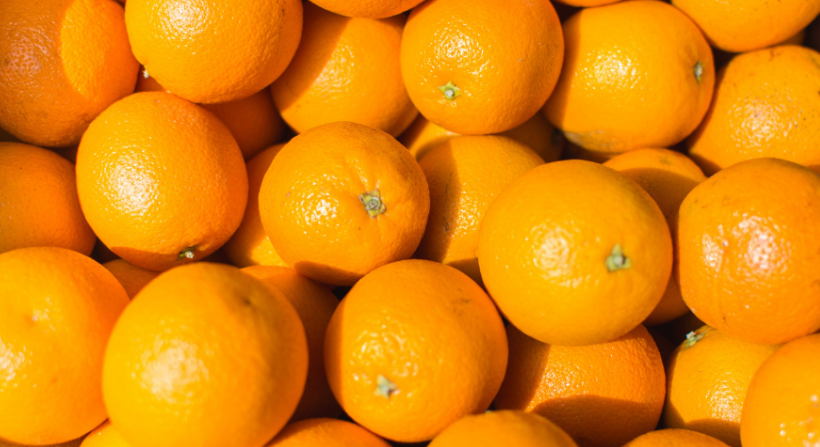
Kinnow is widely grown in Punjab and has become an established export product. Its strong flavour and juice content make it suitable for fresh consumption as well as processing.
International trade in citrus requires exporters to pay close attention to fruit size, appearance, grading, packaging, phytosanitary requirements, residue limits, and shelf life.
Modern packhouses and better cold-chain systems can help Pakistan improve consistency and reach more demanding markets.
For international buyers, working with exporters that understand destination-market requirements is important because fresh produce regulations can differ considerably from one country to another.
6. Potatoes
Potatoes are another agricultural product with export potential from Pakistan.
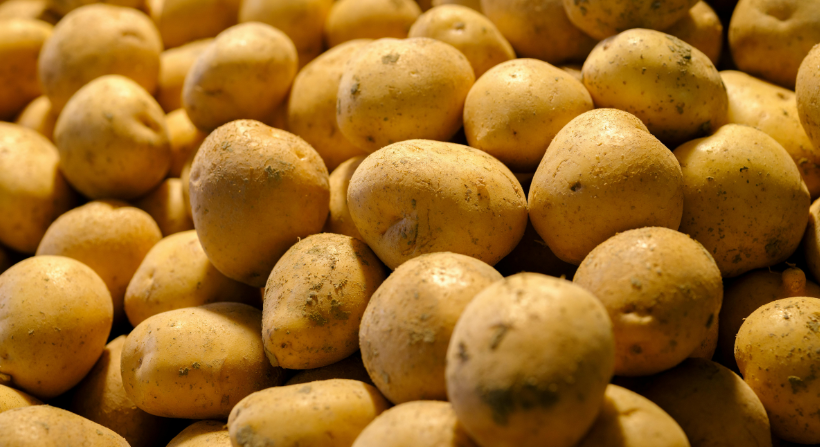
The country has significant potato-growing regions, particularly in Punjab. Depending on the crop and buyer requirements, Pakistani potatoes can serve fresh produce markets, wholesalers, foodservice businesses, processors, and other commercial buyers.
Quality requirements can include size, variety, appearance, dry matter, storage condition, packaging, and phytosanitary compliance.
As with other fresh vegetables, logistics have a direct impact on commercial success. Exporters need efficient sorting, packing, storage, and transportation to maintain product quality.
Pakistan can strengthen its position in international potato trade by improving these systems and building reliable buyer relationships.
7. Onions
Onions are widely used across global food markets and represent another export opportunity for Pakistan.
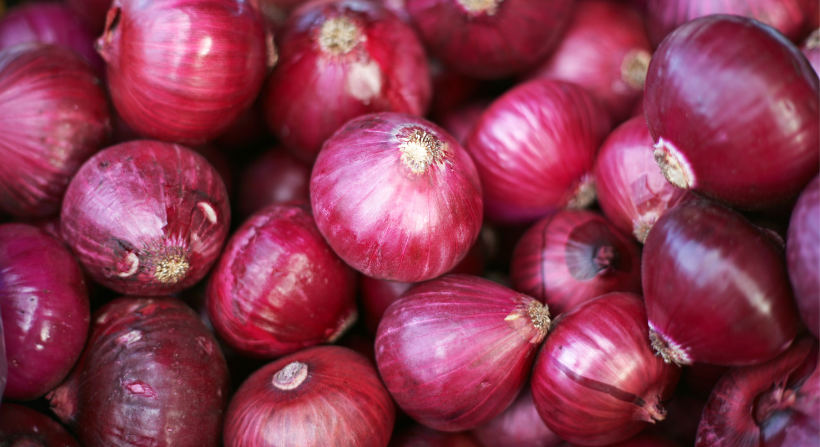
Demand comes from wholesalers, food distributors, retailers, restaurants, processors, and institutional buyers.
For bulk buyers, consistency matters. Importers need suppliers that can meet agreed specifications for size, quality, moisture, packaging, and shipment volume.
Availability and pricing can change between seasons, so exporters also need strong sourcing networks and clear communication with buyers.
Professional supply planning can help Pakistani exporters develop longer-term relationships rather than relying only on short-term commodity trading.
8. Other Fruits and Vegetables
Pakistan’s agricultural diversity extends well beyond mangoes, kinnow, potatoes, and onions.
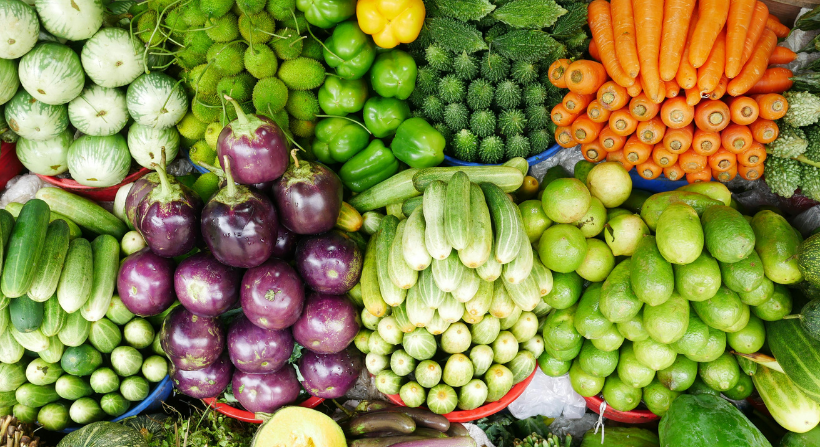
The country produces a broad range of fruits and vegetables, some of which already enter international trade while others offer room for further export development.
Official trade statistics list fruits and vegetables as established parts of Pakistan’s food exports.
The larger opportunity is to move beyond selling only fresh produce.
Processing can allow agricultural products to reach different buyers and markets through frozen foods, dried products, juices, pulps, concentrates, packaged foods, and other value-added formats.
This can also reduce some of the risks associated with the short shelf life of fresh produce.
9. Oilseeds, Nuts and Related Products
Oilseeds, nuts, and kernels form another important category within Pakistan’s agricultural and food exports.
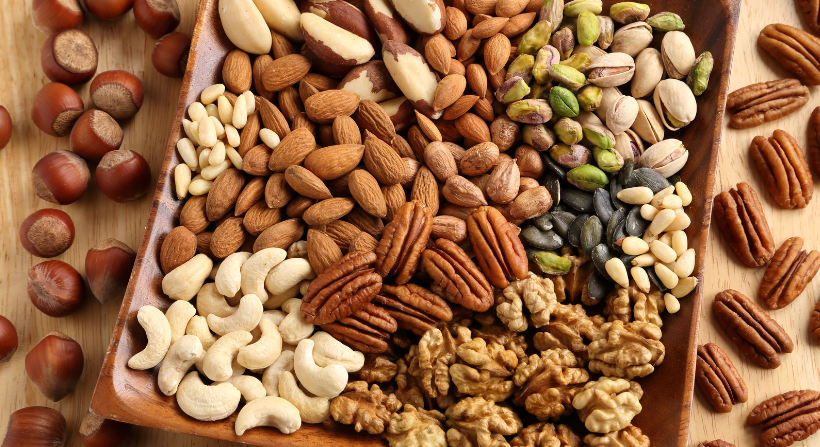
Pakistan Bureau of Statistics data shows this category contributing hundreds of millions of dollars in exports during recent reporting periods.
The category includes products serving different food manufacturing, processing, oil production, and wholesale markets.
The exact commercial opportunity varies by crop, season, quality, and destination market. Buyers should therefore evaluate suppliers based on product specifications rather than treating all products in the category as the same.
Cleaning, grading, testing, and proper storage are particularly important for exporters targeting professional food buyers.
10. Spices and Other Food Ingredients
Pakistan also exports spices and other agricultural food ingredients.
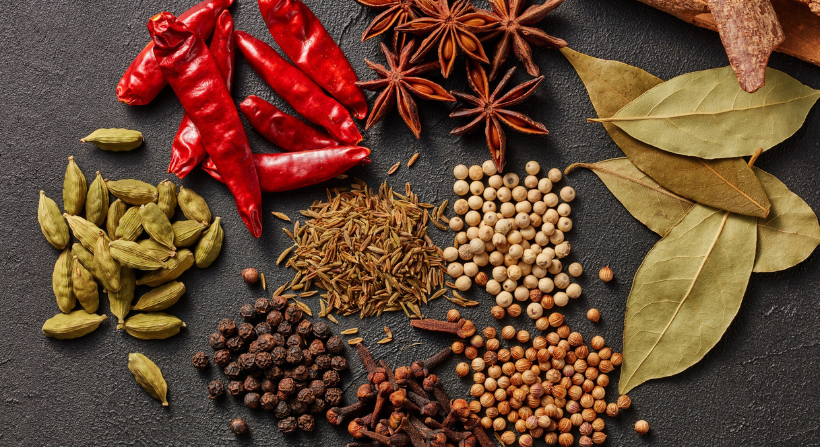
While these categories may be smaller than rice in total export value, they can offer opportunities for value addition.
Food manufacturers and distributors often require consistent specifications, food safety controls, clean processing, professional packaging, and reliable documentation.
This creates an opportunity for Pakistani exporters to move beyond basic commodity supply and develop products for higher-value food markets.
Which Agricultural Product Is Pakistan’s Biggest Export?
Rice is one of Pakistan’s largest and most important agricultural and food exports.
Official Pakistan Bureau of Statistics data shows how significant the category is. During July to March of FY2024-25, Pakistan exported around 4.68 million metric tonnes of rice worth approximately US$2.76 billion.
This included both Basmati and other rice varieties.
Rice therefore provides Pakistan with an established position in global agricultural trade, but the country’s long-term export opportunity is broader.
Sesame, maize, fruits, vegetables, processed foods, and other agricultural products can help diversify the country’s export base and reduce dependence on a limited number of major commodities.
Where Does Pakistan Export Agricultural Products?
Pakistan sells food and agricultural products to buyers across several regions of the world.
Important opportunities exist across the Middle East and GCC, Asia, Africa, Europe, and other international markets.
However, not every agricultural product can enter every country under the same conditions.
Import rules may cover phytosanitary certificates, food safety, pesticide residues, fumigation, product testing, labelling, packaging, traceability, and other requirements.
This makes market selection an important part of any agricultural export strategy.
Instead of asking only, “Where can this product be sold?”, exporters should ask, “Which markets match our product specifications, certifications, logistics, price, and supply capabilities?”
That approach can lead to more sustainable export growth.
What Should International Buyers Check When Sourcing From Pakistan?
International buyers should evaluate Pakistani agricultural suppliers in the same way they would assess suppliers from any major sourcing market.
The first consideration should be whether the supplier can meet the required product specification consistently.
Buyers should also examine quality controls, certifications where required, traceability, packaging, production capacity, testing procedures, documentation, logistics capabilities, and previous export experience.
Price is important, but it should not be the only factor.
A slightly lower purchase price can quickly lose its value if shipments arrive late, product specifications are inconsistent, documentation is incomplete, or quality problems occur.
Reliable agricultural trade is built around consistency and trust.
The Future of Pakistan’s Agricultural Exports
Pakistan has the agricultural base required to become a stronger supplier to global food markets.
However, production alone will not determine future success.
Pakistan’s Economic Survey 2025-26 shows that agriculture remains a major part of the national economy, while government trade data demonstrates the existing scale of food exports.
At the same time, recent export performance also shows that global agricultural trade can change quickly. International prices, competition, crop output, climate conditions, freight costs, and market access can all affect export performance.
Pakistan therefore needs to focus on long-term competitiveness.
This means improving productivity, food safety, traceability, processing, storage, cold chains, packaging, certifications, logistics, market intelligence, and value addition.
The goal should not simply be to export more agricultural products. Pakistan should aim to create more value from every part of its agricultural supply chain.
Iqbal Group: Connecting Pakistan’s Agriculture With Global Markets
As Pakistan expands its role in international agricultural trade, professionally managed agribusiness groups can help connect local production with global demand.
Iqbal Group of Companies is building an integrated agribusiness ecosystem with activities across agriculture, poultry, food, animal nutrition, international trade, and exports.
Through FieldFusion Corp, the Group’s agricultural export capabilities include products such as rice, sesame seeds, corn, Rhodes grass, kinnow, mangoes, potatoes, onions, and other agricultural commodities for international markets.
The wider Iqbal Group ecosystem also brings together expertise across poultry production, animal nutrition, food value chains, and international business. This integrated approach supports the Group’s long-term goal of connecting Pakistan’s agricultural strengths with buyers, partners, and markets around the world.
For global importers, successful sourcing from Pakistan requires more than finding a product at the right price. It requires dependable partners that understand quality, supply consistency, documentation, logistics, and international buyer expectations.
Iqbal Group of Companies aims to contribute to that future by strengthening international partnerships, supporting value addition, and helping bring high-quality agricultural products from Pakistan to global markets.
FAQs
What are the main agricultural products exported from Pakistan?
Pakistan exports a wide range of agricultural products, including Basmati and non-Basmati rice, sesame seeds, maize, mangoes, kinnow, potatoes, onions, spices, and other fruits and vegetables.
Which agricultural product is Pakistan’s biggest export?
Rice is one of Pakistan’s largest agricultural exports. The country exports both premium Basmati and non-Basmati varieties to international markets, supported by a large production and processing ecosystem.
Why should international buyers source agricultural products from Pakistan?
Pakistan offers a large agricultural production base, diverse crops, competitive sourcing opportunities, and access to major markets across Asia, the Middle East, Africa, and beyond. Buyers should select suppliers based on quality, certifications, traceability, logistics, and consistent supply.